+91-7838105387
+1(312) 957-4633

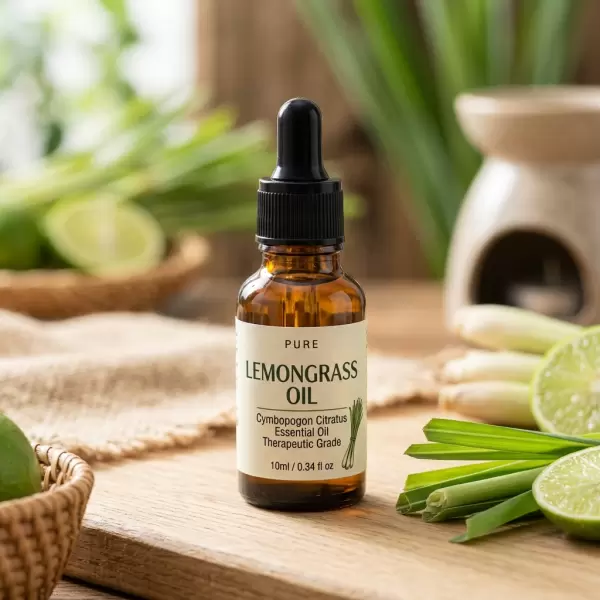
Lemongrass oil, derived from the leaves and stalks of the lemongrass plant (Cymbopogon citratus), is an essential oil celebrated for its invigorating aroma and versatile applications. Traditionally used in holistic practices, lemongrass oil has gained prominence not only in the cosmetic and personal care industries but also in aromatherapy, food flavoring, and industrial fragrance sectors. Its refreshing scent and potential benefits make it a favorite among consumers and formulators alike. This comprehensive guide aims to delve deep into the characteristics, benefits, and applications of lemongrass oil, ensuring that readers gain valuable insights into this remarkable botanical extract.
| Product Name | Lemongrass Oil |
|---|---|
| Botanical Name | Cymbopogon citratus |
| Common Names | Lemongrass, Citronella Grass |
| Family | Poaceae |
| Plant Part Used | Leaves and Stalks |
| Extraction Method | Steam Distillation |
| Origin | Tropical regions of Asia, Africa, and South America |
| Appearance | Clear to pale yellow liquid |
| Aroma | Citrusy, fresh, and herbaceous |
| Color | Pale yellow |
| Consistency | Thin |
| CAS Number | 8007-02-1 |
| FEMA Number | 3192 |
| Shelf Life | 2-3 years |
| Solubility | Soluble in alcohol and oils |
Lemongrass oil is an essential oil extracted from the leaves and stalks of the lemongrass plant, known for its refreshing citrus aroma. This oil has been traditionally used in various cultures for its aromatic properties and potential benefits. It is a popular choice in aromatherapy, where its invigorating scent is believed to promote relaxation and enhance mood. In the cosmetic industry, lemongrass oil is valued for its potential skin benefits and is commonly used in personal care products.
The chemical constituents of lemongrass oil, including citral and geraniol, contribute to its distinctive fragrance and potential properties. As a versatile essential oil, it finds applications across numerous sectors, including food flavoring, cleaning products, and industrial fragrances. Understanding the origin, properties, and applications of lemongrass oil provides valuable insights for consumers, manufacturers, and researchers alike.
Lemongrass is a tall, perennial grass that can grow up to 3 feet in height. It features long, slender leaves that are green in color and emit a strong citrus aroma when crushed.
The leaves are the primary source of lemongrass oil, known for their high concentration of essential oil constituents.
Lemongrass produces small, white to pale purple flowers that grow in spikes. However, the oil is primarily extracted from the leaves and stalks.
Lemongrass does not produce significant fruit; its primary value lies in its leaves.
Lemongrass thrives in tropical and subtropical climates, preferring well-drained soils and plenty of sunlight.
Ideal conditions for lemongrass growth include warm temperatures and regular rainfall, typically between 30-50 inches annually.
Major growing regions include Southeast Asia, India, and parts of Africa and South America, where the climate supports its growth.
Historically, lemongrass has been used in traditional medicine and culinary practices in various cultures. Its aromatic properties make it a staple in Asian cuisine, while its potential benefits have been recognized in holistic practices.
Lemongrass oil has been traded for centuries, particularly in Asia, where it is often used in perfumes and food flavoring.
Lemongrass is not only valued for its oil; the plant itself is a culinary herb used in teas, soups, and curries across many cultures.
Top producers of lemongrass oil include India, China, Indonesia, and Brazil, where the climate is conducive to its growth.
Lemongrass thrives in warm, humid climates, making tropical regions ideal for cultivation.
The average yield of lemongrass oil is approximately 0.5 to 1.5% of the plant material, depending on the growing conditions.
Commercial cultivation of lemongrass has increased as demand for natural ingredients in cosmetics and food flavoring continues to rise.
Lemongrass prefers loamy or sandy soils that are well-drained, with a pH of 6.0 to 7.5.
Regular rainfall is essential for optimal growth, with a preference for rainfall distributed throughout the growing season.
Temperatures between 25-35°C (77-95°F) are ideal for lemongrass cultivation.
Harvesting typically occurs 3-4 months after planting, once the grass reaches a height of about 2-3 feet.
With proper care, lemongrass can yield substantial amounts of essential oil, making it a profitable crop for farmers.
Lemongrass is usually harvested during the dry season, when the oil concentration is higher.
Once the lemongrass reaches maturity, it is harvested by cutting the stalks at the base.
After harvesting, the lemongrass is cleaned to remove any dirt or impurities before processing.
The cleaned lemongrass is subjected to steam distillation, which separates the essential oil from the plant material.
Post-extraction, the oil is filtered to remove any remaining solid particles, ensuring a pure product.
The filtered oil is stored in dark glass containers to protect it from light and extend its shelf life.
Finally, the oil is packaged in suitable containers for distribution, ensuring it remains uncontaminated.
Quality control measures are implemented throughout the manufacturing process to ensure the oil meets industry standards.
Steam distillation involves passing steam through the plant material, which vaporizes the essential oils. The steam and oil vapor are then cooled, causing the oil to condense and separate from the water.
This method is efficient and preserves the natural properties of the oil, resulting in a high-quality product.
Steam distillation may not extract all the beneficial compounds, and some delicate constituents may be lost due to heat.
Manufacturers prefer steam distillation for its effectiveness and reliability in producing essential oils that meet quality expectations.
| Compound | Chemical Family | Typical % | Purpose | Importance |
|---|---|---|---|---|
| Citral | Terpenes | 60-80% | Aromatic | Primary component contributing to lemongrass scent |
| Geraniol | Cyclic Monoterpenes | 5-15% | Fragrance | Adds sweetness to the aroma |
| Limonene | Cyclic Monoterpenes | 1-5% | Aromatic | Contributes to the lemon-like scent |
| Myrcene | Terpenes | 1-3% | Fragrance | Enhances overall aroma complexity |
The gas chromatography-mass spectrometry (GC-MS) peak area indicates the concentration of various compounds in the essential oil.
Retention time helps identify specific compounds based on how long they take to pass through the GC column.
GC-MS analysis is crucial for verifying the quality of lemongrass oil and ensuring it meets industry standards.
This analysis can also detect adulteration, ensuring consumers receive a pure and authentic product.
| Property | Value |
|---|---|
| Specific Gravity | 0.885 - 0.895 |
| Refractive Index | 1.482 - 1.486 |
| Optical Rotation | -10° to -15° |
| Flash Point | 60°C |
| Color | Pale yellow |
| Odor | Citrusy, fresh |
| Solubility | Soluble in oils, insoluble in water |
| Density | 0.885 - 0.895 g/cm³ |
Lemongrass oil is subject to various international quality standards, including ISO standards for essential oils and IFRA guidelines for fragrance usage. Compliance with these standards ensures product safety and efficacy.
Quality testing for lemongrass oil typically includes:
Lemongrass oil offers a range of benefits that can be grouped into several categories:
Its refreshing scent may help uplift mood and promote relaxation.
Traditionally used for its potential skin toning properties, it adds a pleasant fragrance to skincare formulations.
Commonly used in cleaning products for its antimicrobial properties and fresh scent.
Its citrus flavor makes it a popular choice in culinary applications, enhancing dishes and beverages.
Lemongrass oil finds versatile applications across various industries:
Used in creams, lotions, and perfumes for fragrance and potential skin benefits.
Incorporated into handmade soaps for its refreshing scent and potential cleansing properties.
Utilized in scented candles for a fresh, uplifting aroma.
A key component in fragrance blends for both personal and industrial use.
Added to shampoos and conditioners for fragrance and potential scalp benefits.
Incorporated in formulations aimed at refreshing and toning the skin.
Used in massage oils for its soothing aroma and potential relaxation benefits.
Commonly used in spa treatments for its aromatic properties.
Popular in diffusers and oil blends for mood enhancement.
Incorporated into natural cleaning solutions for its antimicrobial properties.
Used in various industrial applications for its fresh scent.
Provides flavor in culinary applications, especially in Asian cuisine.
| Oil | Reason for Blending | Aromatic Profile |
|---|---|---|
| Lavender Oil | Calming effects | Floral, herbaceous |
| Peppermint Oil | Refreshing blend | Minty, fresh |
| Tea Tree Oil | Antimicrobial properties | Medicinal, earthy |
| Sweet Orange Oil | Enhances sweetness | Citrusy, sweet |
Typical formulation ranges for lemongrass oil vary depending on the product type:
Always consider regulatory guidelines when formulating products.
Adulteration may occur to reduce costs or enhance the yield of essential oils, compromising quality.
Common adulterants for lemongrass oil include synthetic fragrances and cheaper essential oils that mimic the aroma.
GC-MS analysis is an effective method for detecting adulterants in essential oils.
Buyers should request certificates of analysis (COA) and ensure suppliers are reputable to avoid adulterated products.
Look for suppliers who provide detailed information about their extraction methods and quality testing.
Ensure the oil has relevant certifications, such as organic or fair trade, to guarantee quality.
A Certificate of Analysis provides insight into the composition and quality of the oil.
Request a GC-MS report to verify the chemical composition and detect any potential adulterants.
Organic certification indicates that the oil was produced without synthetic pesticides or fertilizers.
Premium oils should be packaged in dark glass bottles to protect them from light degradation.
Store lemongrass oil in a cool, dark place to maintain its quality and extend shelf life. Avoid exposure to heat and sunlight.
When stored properly, lemongrass oil has a shelf life of 2-3 years. Regularly check for any changes in aroma or appearance that may indicate spoilage.
Ideal packaging for lemongrass oil includes dark glass bottles or aluminum containers that prevent light exposure. Ensure that the packaging is airtight to protect the oil from oxidation.
Before using lemongrass oil on the skin, perform a patch test to check for any adverse reactions.
Always dilute lemongrass oil with a carrier oil before topical application to minimize skin irritation.
Keep the oil out of reach of children and pets. Store in a secure location.
Use caution when using essential oils around children. Consult a healthcare professional for advice.
Pregnant women should consult with a healthcare provider before using lemongrass oil, as some oils may not be safe during pregnancy.
Familiarize yourself with local regulations regarding the use of essential oils in products.
Choose suppliers who prioritize sustainable farming practices and ethical sourcing to minimize environmental impact.
Support companies that engage in practices to protect biodiversity and promote sustainable agriculture.
Ensure that lemongrass is harvested ethically, respecting local communities and ecosystems.
The global production of lemongrass oil is on the rise due to increasing demand for natural ingredients in various industries.
India and China are among the leading exporters of lemongrass oil, providing high-quality products to international markets.
Countries are increasingly importing lemongrass oil for use in cosmetics, food, and aromatherapy products.
The demand for lemongrass oil is driven by the growing popularity of aromatherapy and natural personal care products.
As consumers continue to seek natural and organic products, the future of lemongrass oil looks promising, with potential for new applications and markets.
Lemongrass oil is used in aromatherapy, cosmetics, food flavoring, and cleaning products. Its refreshing scent and potential benefits make it a versatile ingredient.
It is primarily extracted through steam distillation, a method that preserves the oil's natural properties while separating it from plant material.
When properly diluted with a carrier oil, lemongrass oil is generally safe for topical use. Always perform a patch test first.
Yes, lemongrass oil can be used as a flavoring agent in cooking, particularly in Asian-inspired dishes. However, ensure it is food-grade quality.
Store in a cool, dark place in a tightly sealed container to maintain its quality and extend shelf life.
Lemongrass oil may help uplift mood, refresh air, and enhance personal care products with its pleasant aroma.
Some individuals may experience allergic reactions. It's best to conduct a patch test before widespread use.
Add a few drops to a diffuser or mix with carrier oils for massage to enjoy its uplifting aroma.
Properly stored, lemongrass oil has a shelf life of 2-3 years. Regularly check for any changes in aroma or appearance.
Yes, lemongrass oil can be used in candle making to impart a refreshing scent. Use appropriate amounts based on the formulation.
While both oils come from the same plant family, lemongrass oil has a sweeter and more citrusy aroma compared to citronella oil, which is more earthy and herbaceous.
Request a Certificate of Analysis (COA) and GC-MS report from the supplier to verify the purity and composition of the oil.
Consult with a healthcare provider before using lemongrass oil during pregnancy, as some oils may not be recommended.
Yes, lemongrass oil blends well with various essential oils, including lavender, peppermint, and sweet orange.
Lemongrass oil is used in creams, lotions, soaps, and perfumes for its refreshing scent and potential skin benefits.
Add a few drops to your moisturizer or use it in DIY skincare recipes, ensuring proper dilution.
When used properly, lemongrass oil is safe, but excessive use may cause skin irritation in some individuals.
Lemongrass oil can be used to flavor dishes, teas, and drinks, particularly in Asian cuisine.
Add a few drops to your diffuser with water according to the manufacturer's instructions for an uplifting aroma.
Yes, its antimicrobial properties make it an excellent addition to natural cleaning products.
Choose reputable suppliers, request COAs, and check for organic certification to ensure quality.
Consult a veterinarian before using lemongrass oil around pets, as some essential oils can be harmful to animals.
In industrial settings, lemongrass oil is used for its scent in cleaning products and as a fragrance in various formulations.
The primary components include citral, geraniol, and limonene, which contribute to its aroma and potential benefits.
Yes, lemongrass oil can be added to shampoos and conditioners for fragrance and potential scalp benefits.
This is a myth. While lemongrass oil has potential benefits, it should not be considered a cure for medical conditions.
Not true. Some essential oils can cause allergic reactions or be harmful to certain individuals, especially children and pregnant women.
While related, they have different scents and properties; lemongrass oil is sweeter and more citrusy.
This is misleading. Some essential oils can be adulterated with synthetic substances, so it's important to verify quality.
This is false. Not all essential oils are safe for internal use; always check if the oil is food-grade.
This is incorrect. Essential oils can degrade over time, especially if not stored properly.
While popular in aromatherapy, lemongrass oil has diverse applications in cosmetics, cleaning, and food flavoring.
This is a myth. Essential oils can cause skin irritation or allergic reactions in some individuals.
This is misleading. Diluting essential oils is crucial for safe topical application.
This is not true. Some essential oils can be toxic to pets, so consult a veterinarian before use.
Lemongrass oil is a versatile and valuable essential oil with a wide range of applications and potential benefits. Understanding its properties, extraction methods, and safe usage can empower consumers and manufacturers alike to make informed decisions. As the demand for natural ingredients continues to grow, lemongrass oil stands out as a prominent choice, offering refreshing aroma and potential functional benefits across various industries.
These statements have not been evaluated by the Food and Drug Administration. This product is not intended to diagnose, treat, cure, or prevent disease.