+91-7838105387
+1(312) 957-4633

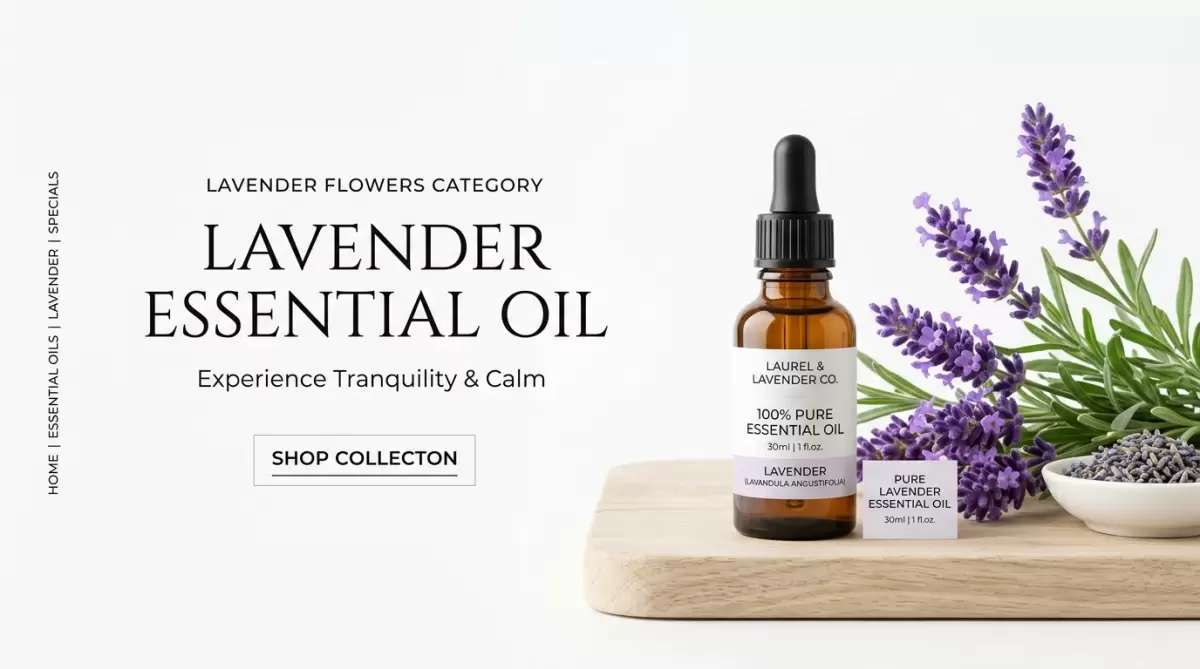
Lavender oil, derived from the flowering tops of the Lavandula angustifolia plant, is a beloved essential oil renowned for its soothing aroma and myriad health benefits. Used for centuries in various cultures, lavender oil is not only a staple in aromatherapy but also a versatile herbal remedy with a rich history. In this article, we will delve into the chemical composition, traditional uses, modern research-backed benefits, and safety precautions associated with lavender oil.
Lavender oil is an essential oil extracted from the lavender plant through steam distillation. The oil is characterized by its floral scent and is used in various applications, from relaxation to skincare. Its popularity has soared in recent years, making it a must-have in households around the world.
The effectiveness of lavender oil can be attributed to its rich chemical composition. Key active compounds include:
Lavender oil boasts an impressive array of health benefits, supported by both traditional practices and modern research:
In traditional medicine, lavender oil has been used extensively in various systems:
Lavender oil can be used in various forms. Here are some popular methods:
While lavender oil is generally safe for most people, it's important to consider the following precautions:
Lavender oil is a remarkable natural remedy with a plethora of benefits, from promoting relaxation to supporting skin health. Its traditional uses in various cultures and the backing of modern research highlight its versatility and effectiveness. Whether used in aromatherapy, skincare, or culinary applications, lavender oil can be a beneficial addition to your wellness routine. Always remember to use it safely to enjoy its wonderful benefits fully.
Please review plugin will update UI according to plugins class names
These statements have not been evaluated by the Food and Drug Administration. This product is not intended to diagnose, treat, cure, or prevent disease.